What Are the Differences Between Botox and Fillers?
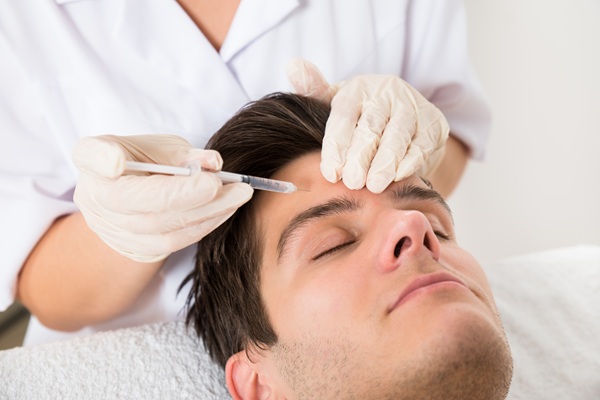
In some cases, Botox® and fillers are used for very similar purposes, but they are not typically interchangeable treatments. It is important to understand the differences between the two cosmetic solutions to determine which is most appropriate for meeting your specific treatment goals.
Botox® vs. dermal fillers: what is the difference?
Botox and dermal fillers are similar in a lot of ways, including that they are used to improve facial appearance. However, there are notable differences. One of the primary differences is that Botox restricts the movement of facial muscles, whereas dermal fillers add volume to the face.
What is Botox®?
Botox is a neurotoxin that is injected into facial skin primarily to diminish the appearance of wrinkles and lines around the eyes, forehead, or mouth. Treatment works by essentially freezing the muscles to prevent movement and diminish the appearance of wrinkles, fine lines, scars, and more. Botox has been FDA approved since 1989 and prescribed for safe use for decades. While there are other types of brand-name neurotoxins that are similar, Botox is perhaps the most popular and well-known brand.
When is Botox® recommended?
Understanding when Botox may be recommended instead of fillers can be helpful. Most notably, Botox is used to:
- Reduce the appearance of forehead lines
- Flatten wrinkles around the nose from aging
- Soften the appearance of lines around the eyes
- Smooth skin between the eyes
There are other instances where Botox may be appropriate as well. The best way to determine which option is best according to your specific treatment goals is to schedule a consultation with a Botox provider.
What are dermal fillers?
Dermal fillers are substances that are injected into facial skin to make specific areas of the face look more full of volume. They are commonly used for the cheeks, mouth, and lips and administered via an injection. The purpose of dermal fillers is to add facial volume, reshape the lips, or smooth out facial lines and wrinkles. The primary ingredient in many dermal fillers is hyaluronic acid, which is combined with water before being injected into the face.
When are dermal fillers recommended?
Dermal fillers are similar to Botox in a lot of ways, but there are some subtle (and some not so subtle) differences in the way they are used. The most common uses for dermal fillers are to:
- Add volume to the lips
- Soften laugh lines around the mouth
- Add volume or lift flattened cheeks
- Add volume around the eyes
As can be seen, the primary purpose of fillers for many patients is to add volume to certain areas of the face. This can offer a younger look and improve the patient’s overall facial appearance.
Contact us for a cosmetic consultation
If you are considering Botox or dermal fillers treatment, then contact our team today. We help our patients achieve their cosmetic goals, and our friendly staff can explain the pros and cons of each available treatment solution in greater detail during a consultation visit. So why wait? Get in touch with us today to start the process.
Request an appointment here: https://startsmiling.com or call Start Smiling Dental at (404) 496-6146 for an appointment in our Sandy Springs office.
Check out what others are saying about our dental services on Yelp: Botox in Sandy Springs, GA.
Related Posts
Invisalign® is a popular brand of clear aligners for people who want to straighten their teeth without braces. Treatment is flexible, discreet, and effective, provided the patient is a good candidate and wears the aligners as directed. Here are some important things to know to help you get the most out of Invisalign treatment.Invisalign is…
Invisalign® is probably the most well-known brand name for clear aligners. Their popularity is due to their ability to straighten teeth flexibly and discreetly and to their SmartTrack™ material, which can move teeth comfortably and accurately. Patients interested in Invisalign need to consider the benefits and if they are candidates.Invisalign is a highly recognizable brand…
Many patients prefer Invisalign® to traditional braces because it is more comfortable and almost invisible. This system straightens teeth more gently as well. Understanding the process can help you maintain consistency when wearing your aligners. Here are the details on how Invisalign slowly shifts your teeth.This teeth-straightening system remodels the jawbone as it aligns the…
Invisalign® is a low-profile way to adjust the position of your teeth without needing to wear noticeable brackets in your mouth. The trays are simple to use and gradually shift the teeth over time to improve oral health and the aesthetics of your smile. The Invisalign process only takes a few steps from start to…