How Easy Is It to Replace an Implant Crown?
Patients with dental implants often have questions about the affixed implant crown. Dental implants are ideal for replacing lost tooth roots, and crowns are crucial for helping you get your desired smile. One common query that dentists deal with is the possibility of replacing the dental crown on the implant.
The implant and the crown
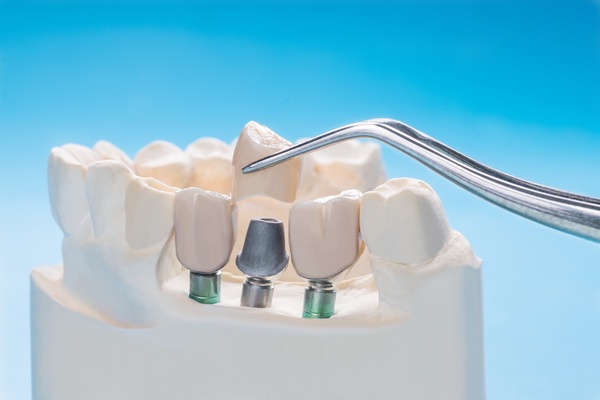
Patients will have a better knowledge of their dental restoration by learning about these two components and how they operate independently and together. Dental implants are tiny titanium posts that dentists use to replace a person's lost tooth. An implant will function like a tooth's artificial root, providing a long-term foundation for the crown's stability. The dentist will insert the implant inside the jaw to replace the root of the lost tooth. The dentist will put an abutment on the implant once fully healed and integrated with the jawbone. The abutment attaches the dental crown to the implant.
Dental crowns will have the same appearance as the tooth above the gumline. The crown does not extend below the gum line or remain in place without support. Dental crowns are used to cover a tooth that needs restoration, such as one that has just undergone a root canal, has a significant fracture, or is severely decayed.
When fillings are not sufficient, the dentist may recommend a crown. A crown protects a damaged tooth from further damage caused by biting and chewing because it covers the entire surface area of the tooth above the gumline. Porcelain or porcelain fused to metal are frequently used to make dental crowns, so the color is customizable to match the rest of the patient's natural teeth.
Replacing an implant crown
When a person obtains an implant, they must also have a dental crown. To replace a lost tooth, the dentist puts the crown immediately on top of the abutment. Although a crown is not technically part of the dental implant, it is necessary to fix a crown over the dental implant to complete the restoration process.
Unlike dental implants, which are permanent, dental crowns can be changed if they become damaged or worn over time. Every five to 15 years, a dental crown will need to be replaced. It can, however, last longer if the patients practice good dental hygiene, which includes brushing and flossing regularly, as well as attending professional cleanings and exams.
Besides good oral hygiene, patients also need to be wary of how they use their teeth. The implant crown is not invincible, so if subjected to undue force, it might break. It is advisable to avoid chewing on hard substances. Patients with teeth grinding habits should talk to their dentist about getting a mouthguard.
Final note
If you are missing one or more teeth, you should consider obtaining a dental implant and a dental crown to restore your smile's appearance. If you experience dental trauma and your implant crown gets damaged, contact the dentist immediately. They will either work on repairing or replacing the crown, depending on the severity of the damage.
Request an appointment here: https://startsmiling.com or call Start Smiling Dental at (404) 496-6146 for an appointment in our Sandy Springs office.
Check out what others are saying about our services on Yelp: Implant Crown in Sandy Springs, GA.
Related Posts
Many patients prefer Invisalign® to traditional braces because it is more comfortable and almost invisible. This system straightens teeth more gently as well. Understanding the process can help you maintain consistency when wearing your aligners. Here are the details on how Invisalign slowly shifts your teeth.This teeth-straightening system remodels the jawbone as it aligns the…
Invisalign® is a low-profile way to adjust the position of your teeth without needing to wear noticeable brackets in your mouth. The trays are simple to use and gradually shift the teeth over time to improve oral health and the aesthetics of your smile. The Invisalign process only takes a few steps from start to…
While Invisalign® is an effective alternative to braces, it may not be the ideal treatment for everyone. The candidacy process happens in one appointment, involving X-rays, a physical examination, and a review of the patient's dental records. Here is a closer look at the factors we consider when choosing an ideal candidate.While we strongly advise…
Invisalign® is an increasingly popular treatment due to its efficacy and ease of use. These clear aligners straighten teeth without the need for dietary restrictions, metal brackets, or wires. That said, there are some guidelines to be aware of. Explore what to do and not do during Invisalign treatment.Invisalign treatment is a straightforward process: Patients…