What to Expect From a Root Canal By an Emergency Dentist
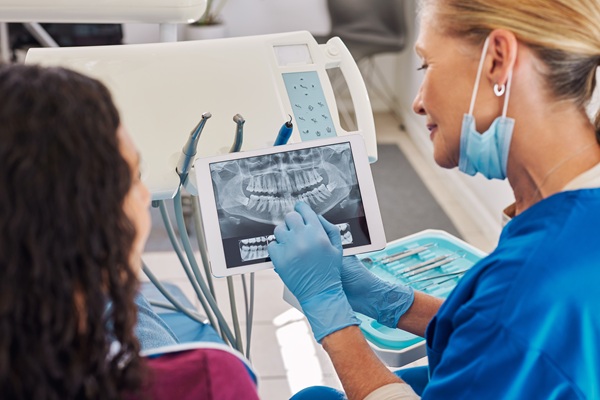
An immediate visit to an emergency dentist becomes necessary when severe tooth pain or infection disrupts your comfort and overall quality of life. This dental professional provides immediate evaluation and relief, particularly when a root canal is required to preserve a damaged or infected tooth. Root canal treatment from an emergency dentist can help alleviate pain and prevent future complications to your oral health.
When a root canal is necessary
A root canal is typically recommended when the inner pulp of a tooth becomes inflamed or infected. Deep decay, cracks, or trauma can allow bacteria to enter the pulp chamber, leading to severe discomfort and sensitivity. An emergency dentist will assess the severity of the issue through a clinical examination and digital imaging. This evaluation determines the most effective treatment plan and confirms whether the tooth can be saved through root canal therapy.
Long-term benefits of root canal treatment
A root canal provides substantial benefits. Commonly cited benefits of a root canal include:
- Preserves the natural tooth structure
- Relieves pain and discomfort
- Eliminates infection
- Prevents abscess formation
- Prevents complications associated with tooth extraction
With immediate emergency dental care, the treated tooth can remain functional for many years.
The root canal procedure
A root canal performed by an emergency dentist follows a structured process designed to remove infection and protect the tooth. First, the dental team will administer a local anesthetic to ensure a comfortable experience during the process. They will also place a dental dam over the treatment area, isolating the tooth and keeping it clean and saliva-free during the procedure.
Once the patient is numb, the dentist will make a small opening in the tooth to reach the infected pulp. Then, they will use small instruments to remove the damaged tissue. The dental team will carefully clean and shape each canal to prevent further bacteria.
After the space is cleaned and shaped, the emergency dentist will fill the root canals with a biocompatible material known as gutta-percha. This material is placed with an adhesive cement to ensure complete sealing of the root canals. In most cases, the dentist will place a temporary filling to close the opening; the dentist will remove the filling when it is time to restore the tooth with a dental crown.
What to expect after the procedure
It is normal to feel mild soreness after root canal treatment, particularly if the infection was serious. The patient can take over-the-counter medication to help with any temporary pain. The emergency dentist may schedule a follow-up appointment or suggest that the patient see their regular dental provider for a permanent crown. The right dental restoration helps ensure the tooth's long-term stability and prevents future problems.
Do you need a root canal in the Sandy Springs area?
Do you think you may need a root canal? The Start Smiling Dental team is here to help you find the relief you need. Call our Sandy Springs office today to speak to our emergency dentist or to schedule a same-day appointment.
Request an appointment here: https://startsmiling.com or call Start Smiling Dental at (404) 496-6146 for an appointment in our Sandy Springs office.
Check out what others are saying about our dental services on Google: Emergency Dentist in Sandy Springs, GA.
Related Posts
If a cold drink or a hot meal consistently triggers tooth sensitivity, you may wonder whether the sharp flash of pain warrants a professional dental visit. A main goal of general dentistry is to catch minor issues before they become major issues. Here are some tips on when you should seek professional dental care for…
While tooth pain can vary in severity and sensation, general dentists can determine the source, provide treatment, and ensure the patient has everything they need to maintain their oral health. The causes of tooth pain can vary and often result in patients trying to treat it by themselves. However, when the pain is consistent, the…
A general dentist is the main provider of preventive and therapeutic dental services, both of which are important in maintaining oral health. You see them for routine checkups, often the first point of contact for unexpected dental problems, and the provider who refers you to dental specialists when needed. Think of them as primary care…
Your general dentist can repair your teeth that have minor decay. Cavities develop once bacterial acids start attacking the enamel. Patients with this dental problem often suffer from dental sensitivity. Dental fillings can stop them from worsening. Here are the details on how a general dentist provides a dental filling.Inspecting the patient’s teeth before starting…