Composite vs. Porcelain Dental Veneers: Making the Right Choice for Your Smile
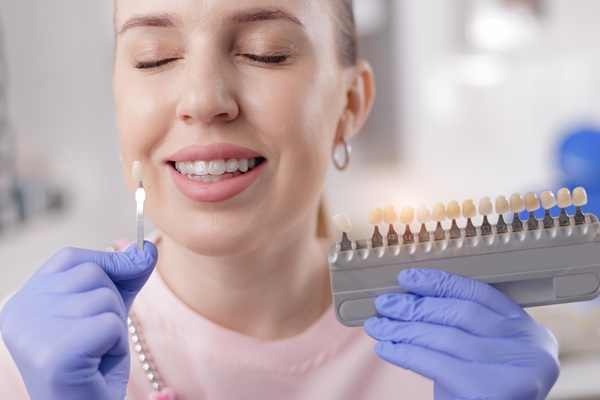
Dental veneers can improve the shape, color, or symmetry of the smile in a way that looks natural. These thin restorations are bonded to the front of the teeth to enhance appearance while maintaining a natural feel. Available in both composite and porcelain materials, veneers are selected based on aesthetic goals, treatment timeline, and lifestyle.
Understanding composite dental veneers: Direct vs. indirect
Composite veneers consist of tooth-colored resin that enhances the appearance of chipped, spaced, or uneven teeth. Two types are available: direct and indirect. Both offer a minimally invasive approach to smile enhancement. Direct composite veneers are sculpted directly onto the tooth surface in a single visit. A general, family, or cosmetic dentist layers the resin directly on the tooth, shaping it as they go to fit the surrounding teeth and enhance symmetry. This veneer type is often completed quickly and with little to no enamel reduction.
While indirect composite veneers use the same material, they have a different installation process. After preparing the teeth, a dental lab crafts the veneers. Some offices may have the machine on-site, while others will send it to a dental lab and notify the patient once it is available. If lab-made, the dentist bonds them to the teeth during a follow-up appointment. The patient can wear temporary veneers in the meantime. Indirect veneers generally offer greater resistance to wear and chipping, though they may take more time than direct veneers.
What are porcelain dental veneers?
Porcelain veneers are custom-crafted in a dental laboratory, using high-strength ceramics that closely mimic the translucency and luster of natural enamel. These classic veneers are bonded to the front of the teeth following a multi-step process that includes digital scans, temporary mockups, and final placement. The general, family, or cosmetic dentist tailors each veneer’s shape, size, and shade to make it look natural in the smile. With proper care, these veneers can last up to 15 years.
Ideal candidates for different types of dental veneers
Ideal candidates for direct composite veneers often include those looking for quick, conservative treatment with minimal tooth preparation. Since these veneers are applied chairside in a single visit, they are a practical option for patients with minor chips, small gaps, or mild discoloration. The procedure can also be reversible, making it a good option for younger patients or those seeking a temporary change.
As for indirect composite veneers, they are typically a better fit for patients who need more customized shaping or durability but would like to avoid major alterations to their teeth. Because they are fabricated outside the mouth, they offer a more refined finish than direct composite veneers. Indirect composites can be particularly helpful in cases involving moderate wear, uneven contours, or the need for improved fracture resistance.
Finally, porcelain veneers are recommended for patients pursuing comprehensive cosmetic improvements or treating multiple teeth at once. Ideal candidates may present with significant discoloration, spacing concerns, or worn enamel. A general, family, or cosmetic dentist evaluates all clinical factors to determine which material and method best align with the patient’s oral health and beauty goals.
Find the right dental veneers for your smile
The choice between composite and porcelain dental veneers is made easier with the help of a dentist. Contact our Sandy Springs office to schedule your appointment. Our dental team can recommend the veneer option that fits your needs.
Request an appointment here: https://startsmiling.com or call Start Smiling Dental at (404) 496-6146 for an appointment in our Sandy Springs office.
Check out what others are saying about our dental services on Yelp: Dental Veneers in Sandy Springs, GA.
Related Posts
Teeth whitening has become one of the most popular cosmetic dental treatments, and many patients choose at-home options because they offer convenience without sacrificing professional oversight. Unlike over-the-counter products, professionally provided whitening systems combine customized treatment with predictable results. A dentist often recommends the right whitening approach based on each patient's goals, oral health, and…
If a cold drink or a hot meal consistently triggers tooth sensitivity, you may wonder whether the sharp flash of pain warrants a professional dental visit. A main goal of general dentistry is to catch minor issues before they become major issues. Here are some tips on when you should seek professional dental care for…
Dental cleanings are an essential part of maintaining good oral health. However, there are other actions patients can take to maintain a healthy smile in between these visits. Brushing and flossing are a foundation of oral hygiene but are just a start. The following simple and practical tips can make for a healthier, more beautiful…
A dental bridge may be the right option when a missing tooth starts to affect chewing, speech, or the alignment of nearby teeth. Gaps in the smile can do more than change appearance. Over time, surrounding teeth may drift into the open space, affecting the bite and making cleaning more difficult. A general dentist can…